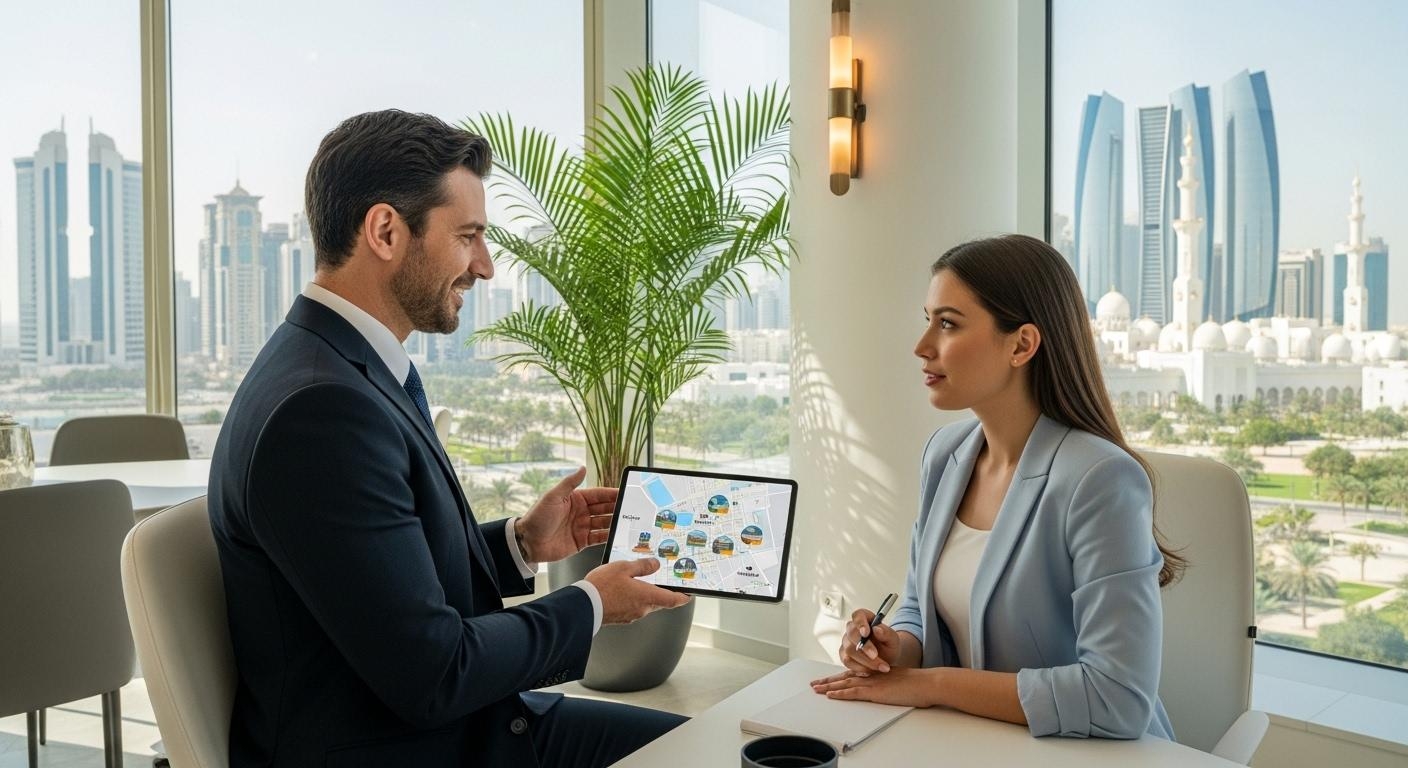
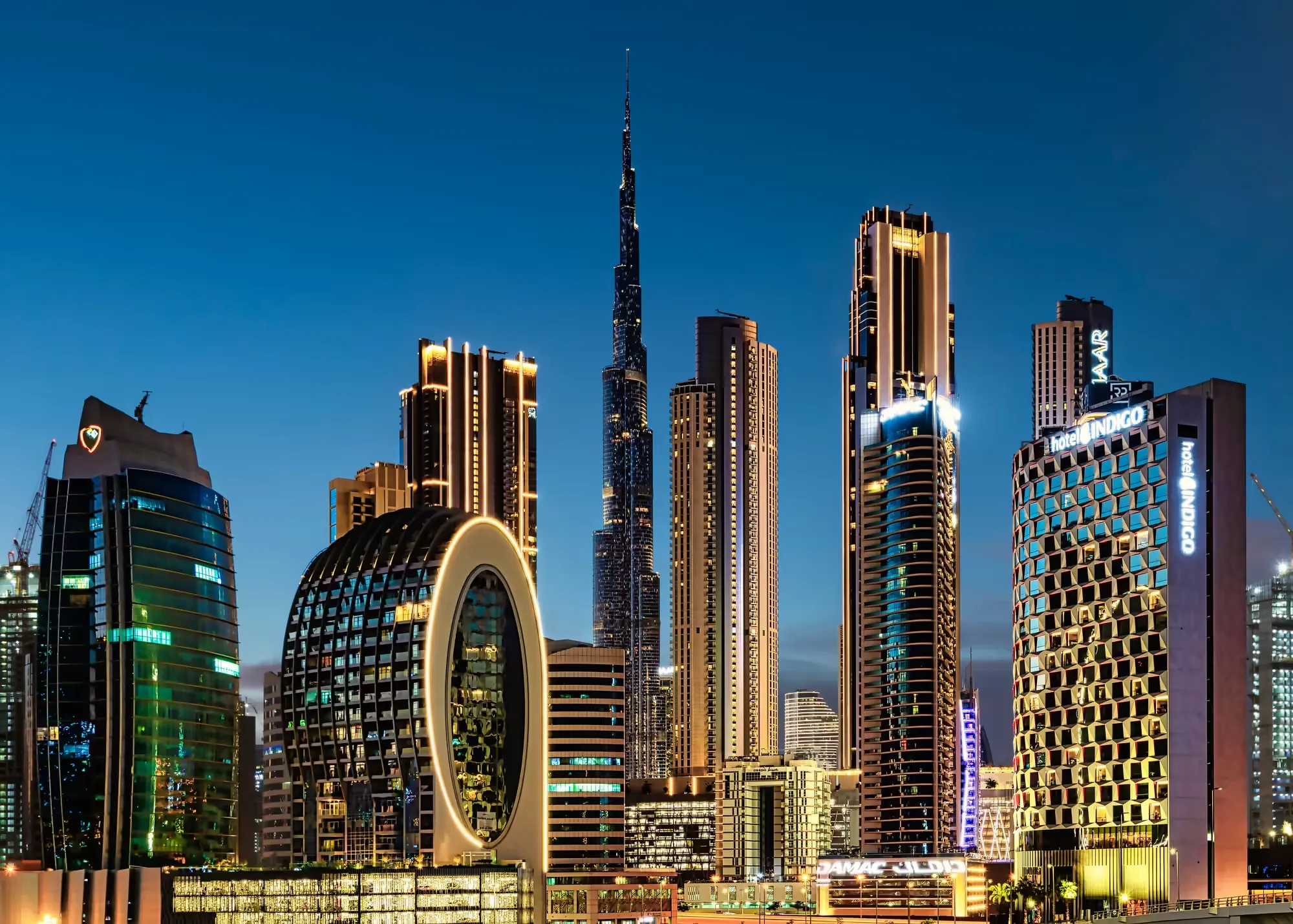
Modern property marketing in the UAE is no longer limited to traditional listings or offline promotions. Instead, it is defined by innovation, personalization, technology integration, and global outreach strategies that target high-net-worth individuals and international investors.
1. Digital-First Property Marketing is Now the Standard
One of the strongest property marketing trends shaping the UAE market is the shift toward digital-first strategies. Buyers and investors now begin their property search online, often long before engaging with a real estate agent.
Developers and agencies are investing heavily in high-performance websites, immersive property pages, virtual tours, and mobile-optimized experiences. The expectation is clear: properties must be accessible online in a visually compelling and informative format. In markets like Dubai, where international buyers are common, digital accessibility is not optional but essential for lead generation and conversion.
2. Rise of Luxury and Ultra-Luxury Property Positioning
The UAE has become synonymous with luxury real estate, and this continues to influence marketing strategies. High-end developments require branding that reflects exclusivity, lifestyle, and prestige.
Marketing campaigns are increasingly focused on storytelling rather than just property features. Instead of simply showcasing apartments or villas, developers emphasize waterfront living, skyline views, branded residences, and elite amenities. This shift has made emotional appeal a powerful tool in attracting affluent investors looking for lifestyle-driven investments rather than just physical assets.
3. Video Marketing and Immersive Visual Content Dominance
Another major trend shaping the UAE real estate market is the dominance of video-based marketing. Static images are no longer sufficient to capture investor attention in a highly competitive landscape.
Cinematic property videos, drone footage, 3D walkthroughs, and virtual reality tours are now widely used to present properties in an immersive way. International buyers, in particular, rely heavily on visual storytelling to evaluate properties remotely. This trend has significantly increased engagement rates and improved lead quality for developers and agencies across Dubai and Abu Dhabi.
4. AI-Driven Lead Generation and Personalization
Artificial intelligence is transforming how real estate leads are generated and nurtured in the UAE. AI tools are now being used to analyze buyer behavior, predict investment intent, and deliver personalized property recommendations.
This shift allows real estate marketers to move away from generic campaigns and instead deliver highly targeted messaging. Prospective buyers receive property suggestions based on their budget, preferences, and browsing history. As competition increases, personalization has become a key factor in converting leads into serious investors.
5. International Investor Targeting and Global Campaigns
The UAE property market is heavily dependent on international investors, making global outreach a core marketing strategy. Developers are increasingly running campaigns across Europe, Russia, India, China, and the GCC region.
Multilingual content, region-specific advertising, and localized landing pages are now standard practices. Real estate companies are also partnering with international brokers to expand their reach. This global approach ensures that UAE properties remain visible to high-net-worth individuals worldwide who are seeking stable and high-yield investment opportunities.
6. Social Media as a Primary Sales Channel
Social media platforms have become central to property marketing in the UAE. Instagram, YouTube, Facebook, and LinkedIn are widely used to showcase developments, generate leads, and build brand awareness.
Short-form videos, influencer collaborations, live property tours, and lifestyle-focused content are particularly effective in capturing attention. In the UAE market, where visual appeal plays a major role in purchasing decisions, social media has evolved from a branding tool into a direct lead generation channel.
7. Data-Driven Marketing and Performance Optimization
The final major trend shaping the UAE real estate market is the increasing reliance on data analytics. Developers and agencies are now tracking user behavior, ad performance, conversion rates, and lead sources in real time.
This data-driven approach allows marketers to refine campaigns, optimize advertising budgets, and focus on the most profitable channels. Instead of relying on assumptions, real estate professionals are making strategic decisions based on measurable performance metrics, resulting in more efficient and effective marketing outcomes.
Conclusion
The UAE real estate market continues to set global benchmarks in innovation, luxury positioning, and digital transformation. The property marketing trends shaping the UAE market highlight a clear shift toward technology, personalization, global targeting, and immersive experiences.
Developers and real estate professionals who embrace digital-first strategies, AI-driven marketing, high-quality visual content, and data analytics will remain competitive in this fast-evolving market. As Dubai and Abu Dhabi continue to attract global investors, the importance of modern, intelligent property marketing will only continue to grow.
.jpg)